Nieuwegein Fashion · Growth edition
White Wide-Leg Pants: A Practical Guide to Fit and Styling

By Lotte Visser
White wide-leg pants can work for everyday outfits, offices and dressier occasions, but the fabric and fit need more attention than the colour alone. A sec
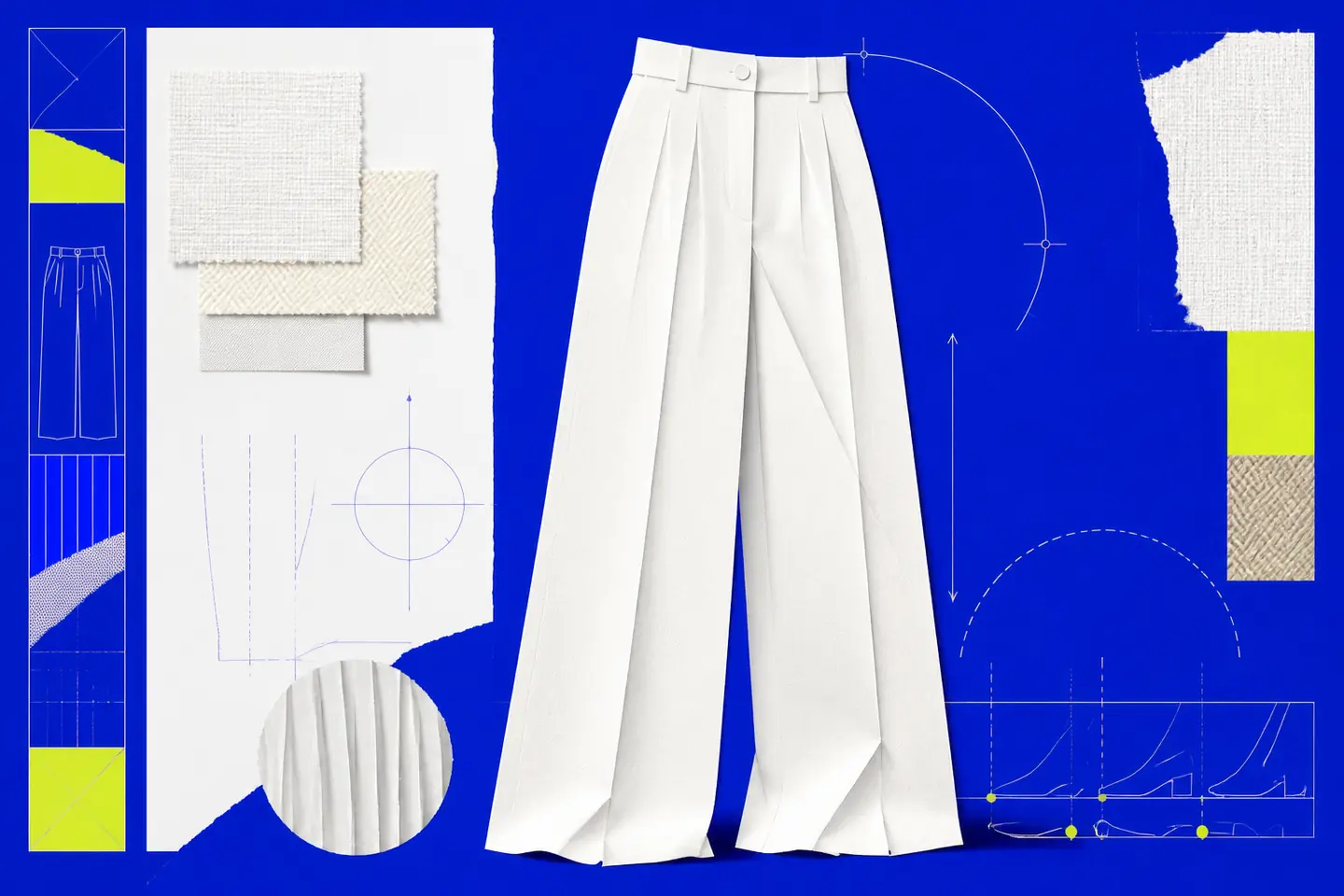
White wide-leg pants can work for everyday outfits, offices and dressier occasions, but the fabric and fit need more attention than the colour alone. A secure waistband, enough room through the hips and a deliberate hem create a clean line. The right fabric should also remain opaque when you sit, bend and step into daylight.
Choose the Shape Before the Outfit
Find a comfortable rise
The rise determines where the waistband sits and how much of the torso remains visible. A high rise defines the natural waist and works neatly with tucked shirts, close-fitting knits and shorter jackets. A mid rise gives a more relaxed effect and may feel easier when sitting for long periods. A low rise needs secure coverage through the hips and often works best with a streamlined top.
Judge the waistband without a belt first. It should lie flat, remain in place as you move and allow you to sit comfortably. A belt can finish an outfit, but it should not be responsible for holding up poorly fitting trousers.
Balance leg width and volume
A moderate wide leg that falls cleanly from the hip is the easiest shape to use across casual and formal settings. Extra-wide or palazzo cuts create more movement but need a lighter fabric and a relatively simple top. Pleats should lie flat when standing; if they pull open, the pants need more room through the waist, hips or rise.
Volume does not always require a tight top. The useful distinction is between definition and bulk. A tucked shirt, fine knit, fitted vest or jacket with a clear shoulder line can all show the waist and keep the outfit balanced. These examples of Fitted or tailored tops with wide-leg pants illustrate that principle.
- Straight wide leg: a versatile choice for work, weekends and simple evening outfits.
- Fluid extra-wide leg: well suited to warm weather and occasions where movement matters.
- Cropped wide leg: keeps shoes visible and avoids a floor-skimming hem.
Set the hem for the shoes
Try full-length pants with the footwear you expect to wear most. The hem should fall close to the shoe without folding heavily over it, catching under the heel or brushing the ground. If you regularly switch between flats and heels, one pair of trousers may not serve both lengths well.
A cropped hem should look intentional rather than slightly too short. A finish near the ankle gives space around loafers, trainers, sandals and low heels. Longer crops can make the lower leg look heavy, especially with high-cut shoes. Use cropped white wide-leg outfit ideas to compare how different hems meet different shoes.
Check Fabric, Opacity and Construction
Match the material to the setting
Linen and linen blends have an airy drape and visible creasing, which suits relaxed summer clothing. Cotton poplin feels lighter and crisper, while cotton twill gives more structure and coverage. Fluid tailoring fabrics move easily and can hold a sharper crease, but their breathability and care requirements vary with the fibre blend.
Do not judge fabric by fibre name alone. Weave density, colour, lining and cut all affect coverage. A loosely woven natural fabric may be more transparent than a dense synthetic blend, while a tight garment can reveal more than the same material in a roomier size.
Test white fabric in real conditions
Check the pants in natural light while wearing the undergarments you would normally choose. Stand in front of a window, then sit, bend and walk. Look for visible pocket bags, seams or areas where the fabric stretches across the seat and thighs. Guidance on choosing white wide-leg pants that are not see-through reinforces the value of testing both fabric and fit.
Smooth underwear close to your skin tone is usually less visible beneath white than bright white underwear. If outlines remain obvious, look for denser cloth, a looser cut, deeper pocket bags or lining through the upper leg. Avoid solving severe transparency with a longer top if it makes the outfit uncomfortable or limits movement.
Inspect practical details
Pockets should lie flat rather than flare at the sides. Check that a pocket lining does not end at a conspicuous point across the thigh. Seams should hang straight, the zip should lie smooth and the waistband should not roll. On pleated styles, sit down to make sure the folds open comfortably and settle back into place when you stand.
Build Outfits for the Occasion
Everyday and warm-weather outfits
For an easy daytime outfit, combine white wide-leg pants with a plain T-shirt, vest or lightweight shirt. Tuck the top fully, use a small front tuck or choose a length that ends around the waistband. Low-profile trainers, flat sandals or loafers keep the result practical.
With linen trousers, try a cotton knit, woven belt and simple leather or fabric bag. A shirt worn open over a fitted base layer adds coverage without hiding the waist completely.
Office outfits
Choose opaque fabric with enough structure to retain its shape through a working day. A smooth-front or single-pleat cut is easier to pair with a tucked poplin shirt, fine knit or simple blouse. Add a blazer, waistcoat or short structured jacket if the setting calls for a more formal layer.
Navy, charcoal, muted blue, olive and warm brown provide clear contrast without making the outfit severe. Cream, stone and taupe create a quieter tonal palette. Closed loafers, pointed flats or low block heels work well when the hem has been set for them.
Evening and event outfits
For an evening setting, use contrast and fabric rather than excessive detail. A fitted knit, matte camisole or fluid blouse in black, deep navy, bronze or burgundy gives the white trousers a defined frame. A cropped jacket or clean longline blazer adds warmth while preserving the vertical line.
Heeled sandals, pointed shoes and refined mules suit full-length trousers; polished flats work with a shorter hem. Choose one focal element, such as an interesting neckline, textured bag or piece of jewellery, and keep the remaining accessories restrained.
Use Colour, Shoes and Accessories Deliberately
White works as a neutral, but the shade matters. Bright white creates strong contrast with black and saturated colour. Soft white works more gently with cream, camel, sage and other muted tones. When combining several pale shades, vary the textures so the pieces do not look like an unsuccessful colour match.
Footwear changes the apparent weight of a wide trouser leg. Slim shoes reveal more of the hemline, while substantial trainers or platforms add visual weight. Neither is automatically better; the shoe should support the fabric and occasion. This overview of wide-leg styling options shows how sandals, flats, trainers and heels alter the overall proportion.
A belt is useful when it reinforces an already secure waist. Narrow styles sit neatly with fine knits and shirts, while a medium-width belt can anchor a blazer-and-trouser combination. A structured bag suits tailored cloth; softer woven bags sit naturally with linen and casual cotton.
Recognise Fit Problems Worth Fixing
A waistband that gaps at the back while the hips fit indicates a proportion mismatch, not necessarily the wrong overall size. Taking in the waist may solve it if the seat, rise and pockets already sit correctly. Horizontal pulling at the front rise can mean the rise is too short or the hips need more room. Excess fabric beneath the waistband can indicate a rise that is too long.
Hemming and a modest waist adjustment are often worthwhile because they preserve the intended shape. Major changes through the hips, crotch or leg are less predictable. If the fabric pulls, twists or becomes transparent under tension, try another size or cut before considering alterations.
- Check the waistband while standing and sitting.
- Confirm that pockets and pleats lie flat.
- Walk and bend to test comfort and opacity.
- Try the intended shoes before deciding on hem length.
- View the trousers from the front, side and back in daylight.
Care for White Wide-Leg Pants
Read the care label before washing or pressing. Separate white garments from strongly coloured laundry and treat marks promptly with a method suitable for the fabric. Blot rather than rub a fresh spill, test any treatment on an inconspicuous area and avoid applying high heat until the mark has gone.
Hang tailored trousers from the waistband or fold them over a broad trouser bar to protect the crease. Fold soft knits and fabrics that may stretch under their own weight. Steam or press at the temperature stated on the label, using a pressing cloth when the fabric could become shiny.
Before storing the pants for a season, make sure they are clean and completely dry. Keep them away from direct sunlight and coloured materials that may transfer dye.