
Nieuwegein Fashion · Growth edition
White Pants for Women: Let the Cut Do the Work

By Lotte Visser
White trousers can be quiet or emphatic. The color clears away visual noise, which leaves the cut, fabric, and proportion exposed. A wide leg reads differe
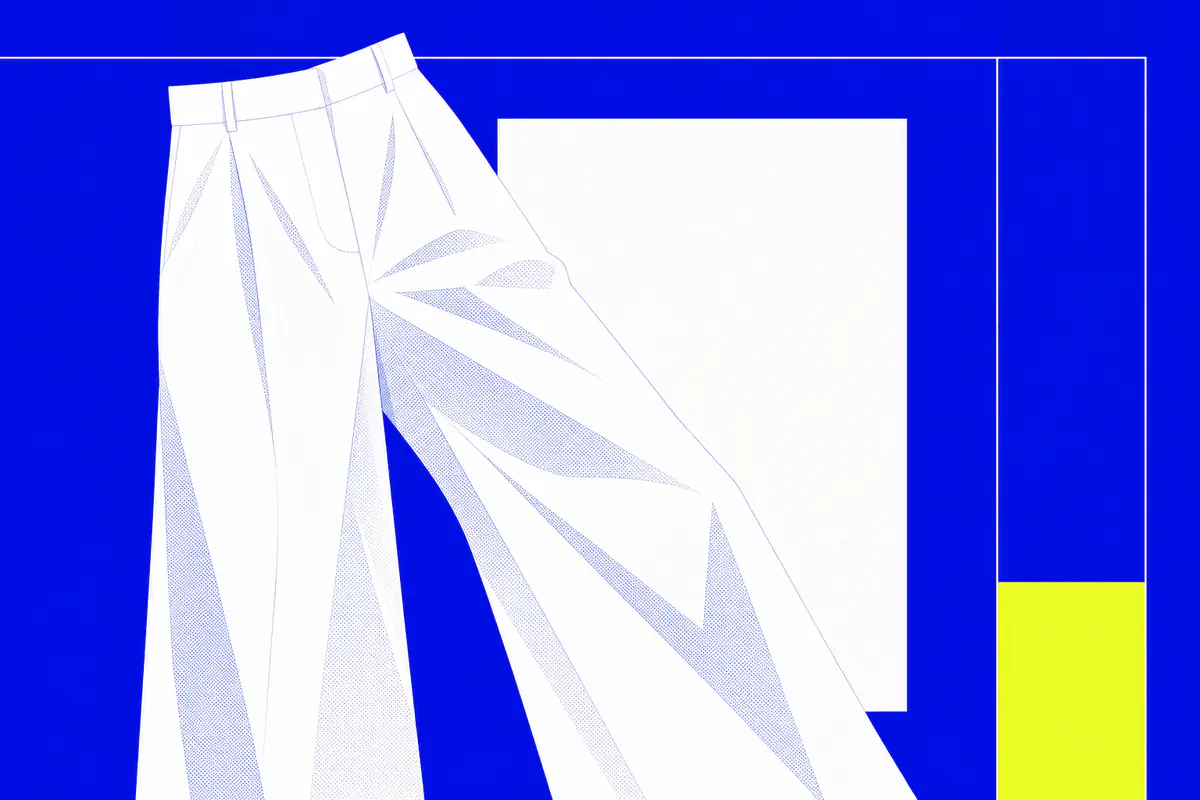
White trousers can be quiet or emphatic. The color clears away visual noise, which leaves the cut, fabric, and proportion exposed. A wide leg reads differently from a narrow ankle; a crisp twill holds a line that washed linen deliberately relaxes. The useful question is not whether white pants are difficult to wear. It is what kind of line the outfit needs.
Nieuwegein Fashion treats trousers as architecture for the rest of the look. Start with the rise and volume, check how the cloth behaves in real light, then build the top, shoe, and outer layer around that information. White is not an empty canvas. It is the brightest shape in the composition.
Begin With the Silhouette
A straight leg creates one continuous column from hip to hem. It works when the aim is a clean, uninterrupted line and leaves room for either a fitted or relaxed top. A wide leg introduces motion and makes the waistband more important because the eye needs a clear point from which the volume begins.
Tapered and cropped cuts shift attention toward the ankle and footwear. They can make a substantial knit or long jacket feel lighter, but the hem needs to look deliberate rather than stranded between lengths. Bootcut trousers widen lower down, balancing a jacket or stronger shoulder without demanding an oversized upper half.
Judge the silhouette from the side as well as the front. Pocket bags, pleats, and the placement of the waistband alter the profile. The strongest pair is not the one attached to a body-shape rule; it is the one whose line remains coherent when standing, sitting, and walking.
Read the Rise as a Proportion Tool
A high rise places the visual break near the natural waist and gives more room for a tucked shirt, short knit, or cropped jacket. A mid rise creates a less emphatic division and may sit more comfortably beneath a longer top. Labels vary, so the actual position on the body matters more than the category name.
Check whether the waistband stays level without digging in or sliding down. Pleats should open because the garment is designed to move, not because the waist or hip is under strain. At the back, the cloth should follow the seat without a large gap at the waistband or horizontal pulling across the fabric.
Then consider the top as part of the same equation. A long, loose shirt over a wide leg can create one broad volume; showing the waistband gives that volume a hinge. Neither approach is automatically better. The decision should be visible in the finished outline.
Choose Fabric in Real Light
White reveals construction. Hold the fabric against both daylight and indoor light, and look at it over the layers that will actually sit beneath it. Opacity depends on weave, weight, lining, pocket bags, and fit. A cloth that looks solid on a hanger may behave differently when stretched across a knee or seat.
Cotton twill and denim tend to hold a clearer edge. Linen and linen blends bring texture and movement, along with creasing that belongs to their character. Fluid woven cloth can give a wide leg a long sweep, while a compact knit makes a softer casual trouser. Stretch is useful only when it supports movement without turning every seam into a raised line.
Inspect the inside as carefully as the surface. Neat seam finishing, securely attached fastenings, a stable waistband, and pocket bags that do not show as harsh blocks all affect how refined the trousers appear. White does not forgive careless construction, but it rewards thoughtful detail.
Build a Considered Base Layer
The most discreet layer under white trousers is usually one that sits close to the wearer’s own skin tone rather than one that simply repeats the color white. Smooth edges reduce visible lines, but comfort and coverage still come first. The right solution depends on the fabric and the amount of ease in the cut.
Some trousers include a partial or full lining. Check that it ends at a sensible point and does not create a visible band through the outer cloth. If the pocket bags are distracting, they may be part of the design problem rather than something the wearer must solve with more layers.
A fitting-room check should include movement. Sit, bend, step, and view the garment from several angles. This is not about policing the body. It is about understanding how a pale fabric, its internal pieces, and the chosen fit interact before the trousers become the foundation of an outfit.
Use Color as Structure, Not Decoration
White beside black creates the hardest contrast and makes every boundary clear. Navy, charcoal, or deep brown preserve definition with a slightly quieter effect. Cream, stone, and pale grey create a tonal column, but the undertones need to agree: a cool optical white can make a warm ivory top appear accidental.
One saturated color can carry the outfit when its placement is controlled. A cobalt shirt above a white wide leg makes the waist the dividing line; a red shoe beneath a cropped hem makes the ankle the point of punctuation. Repeating several bright accents can weaken that clarity.
Texture is another color. A ribbed knit, matte poplin, glossy leather, or brushed wool changes the relationship even when the palette stays neutral. When white trousers feel too stark, add texture before adding more objects. The result keeps the look individual without turning it into a catalogue of accessories.
Layer Through More Than One Season
White trousers do not belong to a single part of the year. Their weight and companions decide the season. A light woven pair works with an open shirt and simple sandal; a dense twill can sit beneath a wool coat, substantial knit, and closed shoe without looking borrowed from a summer wardrobe.
Outerwear should respond to the trouser volume. A short jacket exposes a high waistband and lets a wide leg carry the lower half. A long coat can extend the vertical line, especially when its opening reveals a narrow strip of the brighter trousers. Mid-length layers need the most attention because their hem may compete with the hip or widest part of the leg.
Practical conditions matter too. Wet ground, crowded travel, or a day built around sitting may influence the hem and fabric more than a seasonal rule does. A slightly cropped or washable pair can keep the look relaxed because it suits the actual setting.
Dress the Occasion Without Costuming It
For a working wardrobe, a tailored white trouser can replace the expected dark neutral without abandoning restraint. Combine it with a clear shirt, knit, or jacket shape and footwear that can carry the hem. The brightness already makes a statement, so the surrounding pieces do not need to compete.
A casual version can be more tactile: white denim with a soft sweatshirt, linen with a washed shirt, or a drawstring cut with a compact tee. The outfit still benefits from one controlled proportion. If both top and trouser are loose, a visible wrist, ankle, or waistband can keep the cloth from becoming a single undifferentiated block.
For an evening setting, focus on finish rather than an invented idea of glamour. A long fluid leg, clean waist, dark top, and one precise accessory can be enough. The garment should remain comfortable under the lighting, seating, and movement the occasion actually involves.
Make the Final Check in Motion
Bring the shoes and base layers likely to be worn with the trousers. Check the hem while standing and walking, the waistband while sitting, and the pockets with ordinary small items inside. Look for pulling lines, twisting side seams, a fly that will not lie flat, or a crease that returns immediately after smoothing.
Care begins with the garment label because fiber, dye, lining, and finish determine what the cloth can tolerate. Treat marks promptly with a method suitable for that fabric, wash the trousers with compatible colors, and avoid assuming that a stronger chemical is a safer answer simply because the garment is white.
The final choice should make the outfit easier to build. When the rise holds its place, the cloth behaves well, and the silhouette works with familiar tops and shoes, white trousers stop feeling precarious. They become what a good fashion note should reveal: a clear line with room for individuality.
For another womenswear reference, visit www.hersecret.fi.