
Nieuwegein Fashion · Growth edition
Hot Pants: A Short Hem With a Clear Point of View

By Lotte Visser
Hot pants are defined by an abbreviated hem, but length alone does not explain the garment. A tailored pair, denim cut-off, soft running-inspired short, an
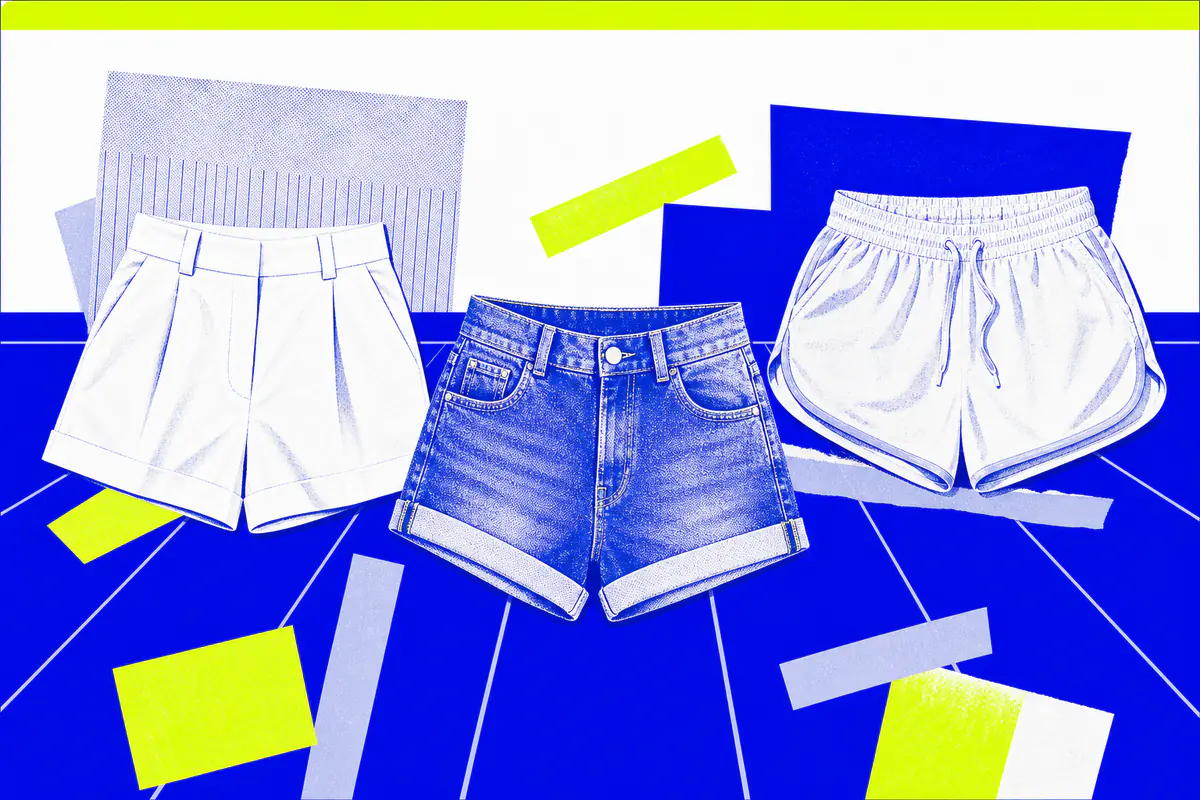
Hot pants are defined by an abbreviated hem, but length alone does not explain the garment. A tailored pair, denim cut-off, soft running-inspired short, and fitted stretch style create very different outlines. Waist position, leg opening, fabric, and construction decide whether the result feels sharp, relaxed, athletic, or deliberately theatrical.
The Nieuwegein Fashion archive already treats micro shorts as part of a wider conversation about proportion. That is the useful route here too. Instead of asking whether the hem is bold enough, ask how the short shape relates to the top, outer layer, footwear, setting, and freedom of movement.
Define the Garment Before Styling It
Hot pants generally sit high on the leg, but there is no single required cut. The name entered fashion vocabulary in the late 1960s, and the garment's documented history is a useful reminder that the cut has never been standardised. Some follow the body closely; others use a wider leg opening that reads more like a very short tailored trouser. A curved athletic hem exposes the side of the leg differently from a straight cuff or raw denim edge.
Details change the category. Belt loops, a fly front, welt pockets, and pressed pleats create a tailored language. Patch pockets, rivets, and visible topstitching point toward denim. An elastic waist and bound edge introduce a sportswear line even when the fabric is not intended for exercise.
Choose which language the outfit needs. Mixing every cue at once can make the shorts feel unresolved. A clear construction gives the rest of the wardrobe something specific to answer.
Use the Waist as the Anchor
Because the hem is short, the waistband carries more visual weight. A high rise extends the apparent length of the lower half and creates a defined place for a tucked shirt or cropped layer to end. A mid rise softens that division and can work beneath a longer, looser top.
The waistband should lie securely without rolling, gaping, or forcing the front closure under strain. Check the back when sitting and bending, not only while standing. If the garment shifts significantly during ordinary movement, styling will not solve the fit.
A visible waist is optional. An untucked shirt can cover it and turn the shorts into a small block of color beneath a longer line. Showing the waistband makes the division deliberate. Both approaches work when the proportions look chosen rather than accidental.
Let Fabric Control the Outline
Dense denim and cotton twill hold a firmer edge. They can support a cuff, shaped pocket, or tailored crease, but a rigid cloth needs enough ease for sitting and stepping. Softer cotton, linen blends, and fluid woven fabrics move more freely and may require lining or careful internal finishing.
Stretch knits follow the body and expose the quality of every seam. Recovery matters: after the fabric is extended, it should return without a loose or rippled edge. A soft athletic style also needs a leg opening that stays in place without cutting into the wearer.
Examine opacity in more than one light and look at the garment from every side. Pocket bags, seam allowances, and base layers can become visible through pale or thin fabrics. Good construction manages those internal pieces instead of asking the wearer to ignore them.
Choose Length by Movement and Setting
A fitting should include walking, sitting, reaching, and climbing a step. The hem should remain where the wearer expects it, and the crotch should not pull when the stride lengthens. A short garment that requires constant adjustment is not functioning well, regardless of how controlled it looks in a still image.
Leg openings need enough room for motion without creating an unintended view when seated. Linings, briefs, or built-in shorts may provide coverage in some designs, but they must remain comfortable and invisible within the intended outline.
Context is practical rather than moral. A beach layer, informal daytime outfit, stage costume, and evening look place different demands on movement, seating, weather, and coverage. Select the cut for the real activity instead of forcing one pair into every setting.
Balance the Short Hem With Longer Lines
An oversized shirt, long blazer, or open coat creates a vertical frame around hot pants. The shorts remain visible, but the outer layer supplies length and movement. This is one reason a compact lower piece can support a broad, architectural upper half without disappearing.
A fitted top creates a more continuous body line. To keep the outfit from becoming visually compressed, introduce structure through a collar, shoulder, belt, or strong shoe. A relaxed knit can soften the same shorts, especially when one edge is tucked to reveal where the waist begins.
Footwear changes the balance near the exposed leg. A substantial boot adds weight below; a flat sandal keeps the line open; a trainer brings a sportswear reference. Choose one direction and let it repeat the construction language already present in the shorts.
Work With Color and Texture Deliberately
Denim blue, black, white, and khaki allow the shape to lead. A saturated color or high-contrast pattern makes the shorts the focal point and calls for quieter layers. When the garment is already very short, adding several competing accents can make the outfit difficult to read.
Texture can provide individuality without relying on print. Washed denim, crisp poplin, matte twill, ribbed knit, and smooth satin each catch light differently. Pairing rough and refined surfaces—such as denim beneath a clean tailored jacket—creates contrast while preserving a limited palette.
Hardware and embellishment need restraint. A visible zipper, row of buttons, or contrast stitch can explain the garment’s construction. Repeating decorative devices across pockets, belt, shoes, and jewelry weakens that explanation. One clear accent is usually enough.
Keep Care Tied to Construction
Read the care label because fiber content, dye, lining, trim, and finish determine the safest method. Turning denim or printed shorts inside out may reduce surface friction during washing, while delicate hardware or bonded details may need gentler handling. The label takes priority over a general wardrobe rule.
Inspect the hem after wear. Raw edges can change character as threads loosen; cuffs can lose their crease; elastic can twist inside a casing. Small repairs at a pocket corner, belt loop, or opening are easier before the surrounding cloth is damaged.
Store the garment without stretching the waistband or crushing structured pleats. Care is part of styling because a short, simple silhouette shows distortion quickly. Keeping the shape intact preserves the very line that made the shorts useful.
Question Ethical Claims Before Repeating Them
Material labels can identify fibers, but they do not by themselves prove a complete environmental or labor story. Terms such as recycled, responsible, or ethical need a clear scope and evidence from the maker. A certification may address one stage or standard rather than every part of production.
Durability, repairability, and repeated wear are practical considerations that can be inspected directly. Strong seams, replaceable fastenings, sufficient fabric at stress points, and a style that works with existing clothes all support a longer useful life.
Secondhand garments offer another route when the fit and condition are right. Check weakened stretch, worn inner-thigh fabric, altered hems, and damaged closures. The goal is not to assign virtue to a purchase; it is to understand the garment and avoid claims the available evidence cannot support.
Finish With a Wardrobe Test
Try the hot pants with several pieces already owned: one long layer, one compact top, and the footwear most likely to accompany them. Check that at least two combinations feel coherent without buying an entirely new supporting wardrobe.
Repeat the movement test, inspect the fabric in real light, and confirm that the intended setting suits the coverage and construction. Notice whether the waistband, pockets, or hem demand attention that should remain on the outfit as a whole.
A strong pair does not need an invented trend story or a celebrity reference to justify itself. It needs a deliberate waist, a workable leg opening, fabric that supports the cut, and a place within the wearer’s own visual language. That is enough for a short hem to carry a clear point of view.