
Nieuwegein Fashion · Growth edition
Women’s Hiking Pants: Dress for the Route, Not the Label

By Lotte Visser
Hiking trousers sit where clothing and equipment meet. They need to move through a high step, resist the abrasion expected on the route, manage changing la
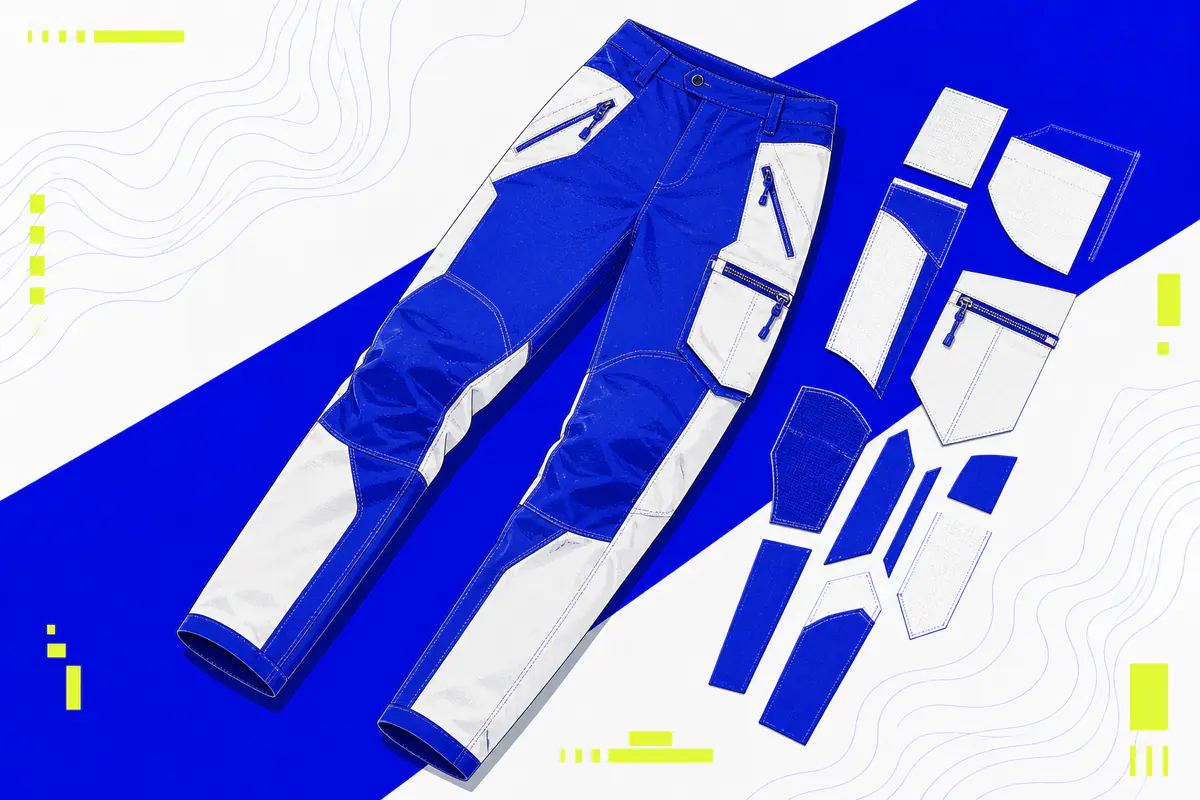
Hiking trousers sit where clothing and equipment meet. They need to move through a high step, resist the abrasion expected on the route, manage changing layers, and keep small essentials accessible without becoming a collection of unnecessary features. The best pair is defined by the walk it supports.
Start with conditions rather than a product category. A maintained path in warm weather asks something different from wet brush, exposed wind, rocky scrambling, or travel that combines a trail with a train journey. Once the route is clear, fabric, cut, pockets, and weather protection become easier to judge.
Map the Demands of the Walk
Write down the likely temperature range, exposure, vegetation, surface, and duration. Consider whether the day includes repeated climbs, long level sections, kneeling, or carrying a pack with a hip belt. These details reveal whether the priority is airflow, abrasion resistance, stretch, weather protection, or a balanced compromise.
Full-length legs can reduce contact with brush, rough rock, and insects. Cropped or roll-up designs allow more air but expose the lower leg. Convertible trousers offer another option, although the zip around the thigh adds a seam that some wearers notice during a long stride.
No single feature makes a garment suitable for every environment. A heavier cloth may feel reassuring against rock yet tiring in heat. A very light cloth may dry quickly but need more care around sharp surfaces. Treat each choice as an exchange rather than an upgrade.
Test the Fit With Trail Movements
A standing mirror check is only the beginning. Step onto a bench, squat, sit, and raise each knee as if climbing a steep section. The waistband should remain secure without cutting into the body, and the crotch should allow a long stride without pulling. Side seams should stay close to their intended position.
An articulated knee shapes the garment around a bent leg. A gusset adds room where the legs meet without relying entirely on stretch. These construction details can improve movement, but only if they align with the wearer’s body. A badly placed knee panel is simply another seam under tension.
Try the trousers with the base layer and footwear intended for the route. Check whether the hem catches on the boot, whether a thermal layer can fit without compressing movement, and whether a pack’s hip belt overlaps a buckle, drawcord, or thick waistband edge.
Understand the Fabric Trade-Offs
Nylon and polyester fabrics are common because they can be woven into light, resilient cloth and often dry more readily than an absorbent everyday cotton. Elastane may add flexibility, but stretch content does not replace a well-cut pattern. Too much reliance on elasticity can make the fabric cling and wear at repeated stress points.
Ripstop describes a reinforced grid in the weave, not a promise that the cloth cannot tear. Softshell usually refers to a flexible woven material that offers some wind and moisture resistance while remaining breathable. These terms help narrow the field, but the hand, weight, weave, and seam construction reveal more than the label alone.
Hold the fabric to the light, flex it, and listen to it move. A loud, rigid cloth may be distracting on a quiet walk; a soft cloth may be more comfortable but less resistant to rough contact. Check whether the inside feels smooth against skin and whether reinforced areas create stiff transitions.
Plan for Moisture and Layers
Water-resistant trousers can shed a brief shower or wet foliage, but that is different from a waterproof shell designed to block sustained rain. A coating or surface treatment may reduce how quickly the outer fabric wets, while vents and breathable cloth help release heat generated during movement.
The general principle behind layered clothing applies below the waist as much as above it. For changeable conditions, a flexible system can be more useful than one heavy garment. A light base layer beneath roomy trousers adds warmth without changing the outer fit dramatically. Separate waterproof overtrousers provide a stronger rain barrier when the forecast and route justify carrying them.
Pay attention to drying conditions after the walk as well. A fabric that releases moisture readily can be useful during travel or consecutive walking days. Care instructions matter because heat, aggressive washing, or an unsuitable detergent may affect stretch fibers and surface treatments.
Make Every Pocket Earn Its Place
Pockets should hold items that need to be reached while moving. A thigh pocket can sit below a pack belt and take a folded route note or small snack. A zipped hip pocket may secure keys, but its contents can press against the body beneath a hip belt. Test placement with the pack rather than guessing.
Large cargo pockets invite overloading. Weight that swings at the thigh changes the drape and can become irritating over distance. Flat bellows, angled openings, or an internal divider can organize small items without turning the leg into a storage bag.
Closures need to be operable with cold or damp hands. Inspect the zipper track, pull, stitching, and pocket lining. A secure pocket is valuable only when its edges do not rub and the stored object does not obstruct a high step.
Inspect the Construction for Repairability
Look at the seat, knees, inner thigh, pocket corners, and hem: these areas meet movement or abrasion repeatedly. Reinforcement can be a second fabric layer, a denser panel, or careful seam placement. More panels do not automatically mean greater durability; every seam also creates another line that must be sewn and finished well.
Turn the trousers inside out. Even stitching, protected raw edges, firmly attached belt loops, and clean pocket construction suggest that the garment can handle ordinary wear. Check whether a loose hem, failed zipper, or small tear could be reached for repair rather than trapped beneath fused decoration.
Longevity also depends on the intended use. Rotating two suitable garments, brushing away grit, and repairing a small opening early may preserve them better than choosing a feature-heavy pair and treating it as indestructible.
Let Trail Trousers Enter the Everyday Wardrobe
Hiking trousers can work beyond the trail when their technical details are controlled. A straight or tapered cut in a quiet color can sit with a knit, shirt, or compact jacket. A heavily articulated pair with contrasting panels reads more clearly as equipment and may deserve to remain the visual focus.
For travel, secure pockets and quick-drying fabric can be useful, but comfort while seated matters as much as trail mobility. Check waist hardware against a chair, pockets against a phone or passport, and the hem against the shoes used between walks.
Nieuwegein Fashion’s proportion rule still applies: decide where the volume belongs. A relaxed trouser works with a clearer upper line; a narrow technical leg can balance a fuller overshirt. Function does not cancel style, but it should never be disguised by styling that makes the garment less usable.
Use a Focused Fitting Checklist
Bring the expected base layer, boots, and pack. Check the waist beneath the hip belt, the rise while sitting, the knee position during a high step, and the hem across the boot. Put ordinary trail items into each pocket and walk long enough to notice movement, noise, or pressure.
Read the care label before deciding that a technical treatment fits the maintenance available at home. Ask what can be repaired, whether a surface treatment needs particular care, and which features solve conditions that actually occur on the route.
The right hiking pants for women do not need the longest specification list. They need a coherent relationship between body, fabric, construction, weather, and terrain. When those pieces agree, the trousers become a dependable layer rather than another problem to manage outdoors.