
Nieuwegein Fashion · Growth edition
Black Cargo Pants for Women: Fit, Fabric and Styling

By Lotte Visser
Black cargo pants combine practical pockets with a colour that is easy to pair with existing clothes. Choosing a useful pair means looking beyond the size
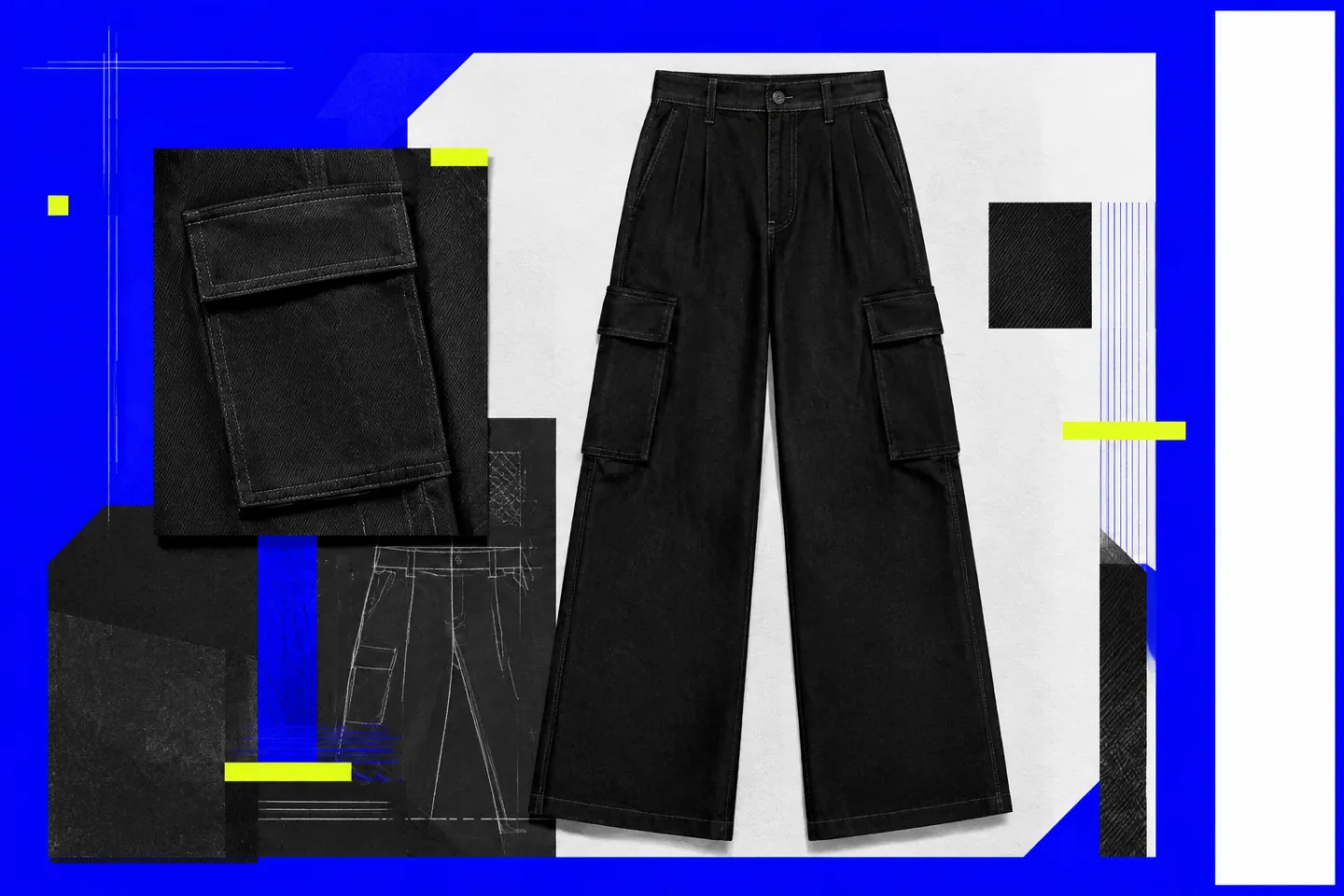
Black cargo pants combine practical pockets with a colour that is easy to pair with existing clothes. Choosing a useful pair means looking beyond the size label: the rise, leg shape, fabric, pocket placement and hem all affect how the trousers feel and hang. Start with the activities and shoes you expect to wear them for, then test the details in motion.
Recognise the cargo details
Cargo trousers have additional utility pockets, usually on the outer thigh. An academic fashion study traces their movement from military uniform into casual clothing and examines changes in their fabrics and forms. The study’s abstract provides that broader history.
Reinforced seams, flap pockets and substantial cloth give some pairs a workwear character. Others use flatter pockets and softer fabric for a less bulky outline. Black stitching and hardware can make these details less conspicuous, but colour cannot remove their volume. Check the side view: a stiff pocket may project from the thigh even when it is empty.
Choose a leg shape and rise
A straight leg leaves room without widening markedly towards the hem. A wide leg creates a fuller shape and needs enough length to hang cleanly over your shoes. A tapered leg narrows towards the ankle, making footwear more visible. Elasticated cuffs gather the fabric, so check whether you like the resulting folds around the lower leg.
Judge the rise while seated as well as standing. A higher waistband can work with tucked tops, but it should not dig into your middle when you sit. A lower rise may suit longer layers, provided it stays secure when you bend. Choose the position that feels comfortable rather than treating any rise as universally flattering.
Use proportion as a starting point, not a rule. Try wide trousers with a shorter knit or close-fitting top so the waistband remains visible. If you prefer loose layers, leave a shirt open over a simpler top to break up the volume. With slimmer cargos, a fuller shirt or long coat can provide contrast.
Check whether the pockets work
Try each pocket rather than assuming it is usable. Put a hand inside, check its depth and operate the fastening. A flap should close without tugging the surrounding fabric. Decorative pockets may still suit the look you want, but their seams and fasteners should not press against your leg when seated.
If you intend to carry a phone or keys, test the pockets with those items. Walk and sit down to see whether the contents swing, rub or pull the trousers out of position. Heavy objects can distort an otherwise comfortable fit. A pocket that works for a light card holder may not suit a bulky phone.
Look for gaping openings, twisting flaps and tightness across the thigh. These can come from the cut, pocket construction or insufficient room. Compare another size or shape before deciding. Sizing up may relieve tension but create a loose waist, so it is not always the answer. Check both sides of the garment, too: pocket flaps should sit evenly, and the leg seams should not rotate towards the front or back as you move.
Match the fabric to your day
Cotton twill often gives cargos a firm outline, while lighter woven cloth can fall more softly. Stretch fabric may make bending easier, but it does not compensate for a restrictive cut. Pull the cloth gently and release it to see how it recovers; then check the fit after sitting for a few minutes.
Consider the conditions in which you will wear the trousers. For warm days, compare fabric weight and how much air can circulate through the leg. For cooler weather, try them over your usual tights or leggings. Allow enough space through the seat, thigh and knee for both layers without pulling.
Inspect black fabric in good light. Matte cloth makes pocket details quieter; a sheen makes folds and flaps more noticeable. Check whether the surface readily collects visible lint and whether the fabric becomes sheer when stretched over the knee. These small observations are more useful than judging the garment from a front-facing photograph alone.
Build outfits from clothes you own
Choose one simple combination first. A plain jersey top and trainers suit casual days; a fine knit and loafers create a neater finish. A crisp shirt can contrast with prominent utility pockets. Try the whole outfit before deciding that you need extra accessories or a different jacket.
White, cream and pale grey make a clear contrast with black. Burgundy, olive and brown offer less stark alternatives. An all-black outfit can also work, with differences in texture separating the top from the trousers. Check the pieces together in daylight, since two black fabrics may have noticeably different undertones.
For heavily pocketed trousers, keep nearby details simple if you want the cargo shape to stand out. A jacket ending directly over a bulky thigh pocket may catch on its flap. Try a shorter layer or one that falls past the pocket, and check that the jacket still hangs freely when fastened.
Set the hem with your shoes
Try the trousers with the footwear you expect to use most. A wide hem should clear the ground and avoid slipping beneath your heel. A tapered hem should sit comfortably around the ankle without catching on a boot shaft. Walk several steps and turn: standing still can hide dragging or twisting.
Low-profile trainers leave a lighter outline beneath a narrow leg. More substantial shoes can balance a wide leg, but comfort and clearance matter more than that visual preference. If you wear shoes of different heights, check the hem with the lowest pair before shortening it. Cuffs and drawcords may limit alteration options.
Use a short fitting routine
Compare measurements with trousers that already fit you well, then use movement to confirm the choice. Size labels alone do not describe the space through the seat or the position of the crotch seam. Try the following sequence with pockets both empty and carrying your usual small items:
- Stand naturally and check that the waistband stays level without pinching.
- Sit down and notice pressure at the waist, front rise and thighs.
- Bend and raise one knee to check freedom of movement.
- Walk and turn, watching for dragging hems or shifting pockets.
- Stand again and check whether the trousers need repeated adjustment.
Horizontal pulling can indicate tension, while folds may simply belong to a relaxed cut. Pay attention to comfort alongside appearance. If the rise or pocket position feels wrong, try another cut. Shortening a plain hem is generally a simpler adjustment than changing those structural details.
Care for the colour and construction
Read the care label before choosing a washing or drying method. Fibre blends, finishes and trims can need different treatment, even when two pairs look similar. The FTC explains the purpose and requirements of care labels.
Empty every pocket before washing and follow the garment’s instructions for temperature and drying. Inspect pocket corners, fasteners and seams periodically, especially where you carry objects. Deal with a loose thread or opening seam before loading that pocket again. When trying on a pair, check that you are willing to follow its care instructions as part of ordinary use.